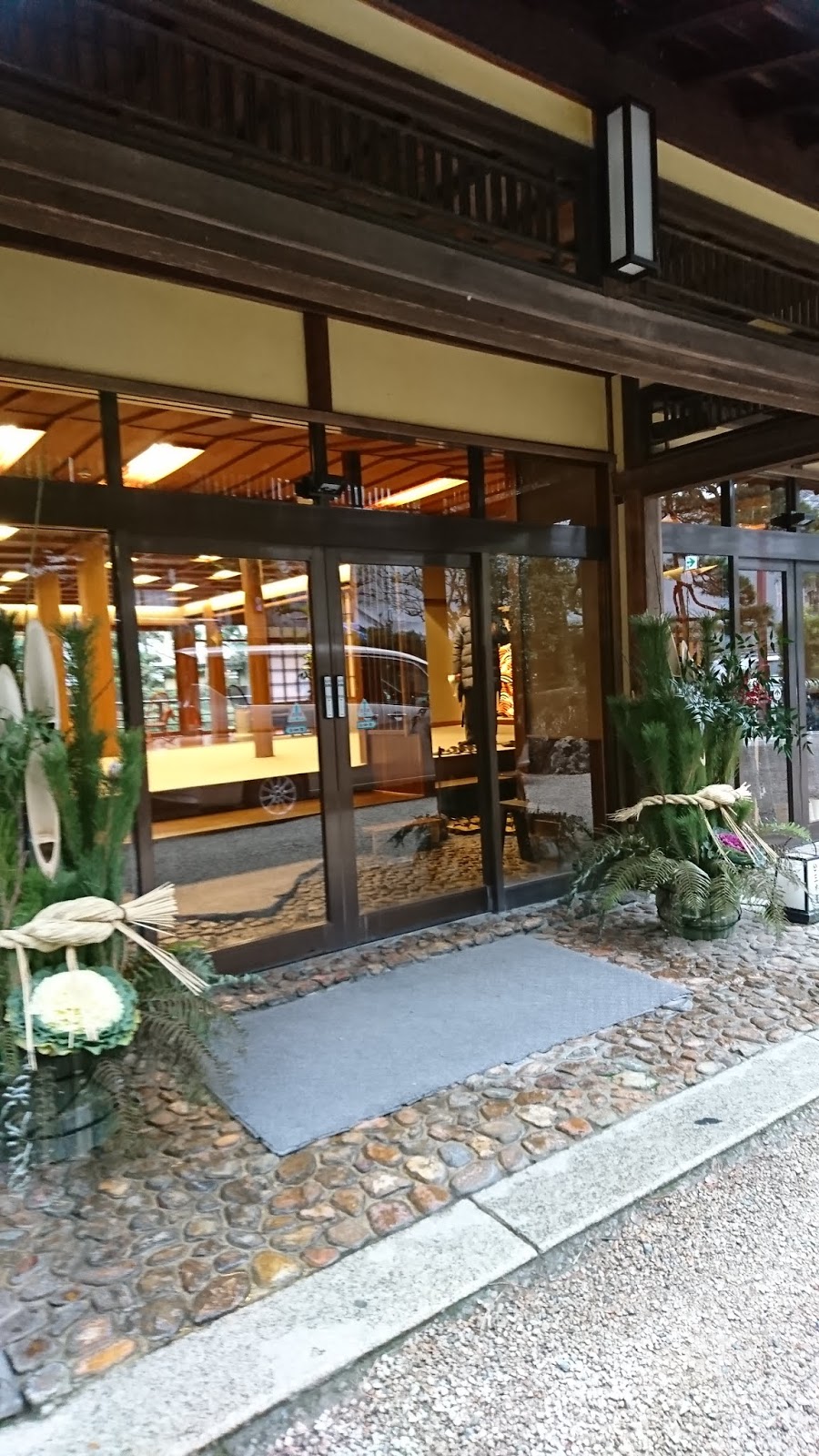
We took Randen train to Kitano Hakubai-cho Station and walked for 30 minutes to go to Tori-iwa-ro, the famous restaurant for chicken dishes. We had Oyako-domburi for lunch. It was very tasty.
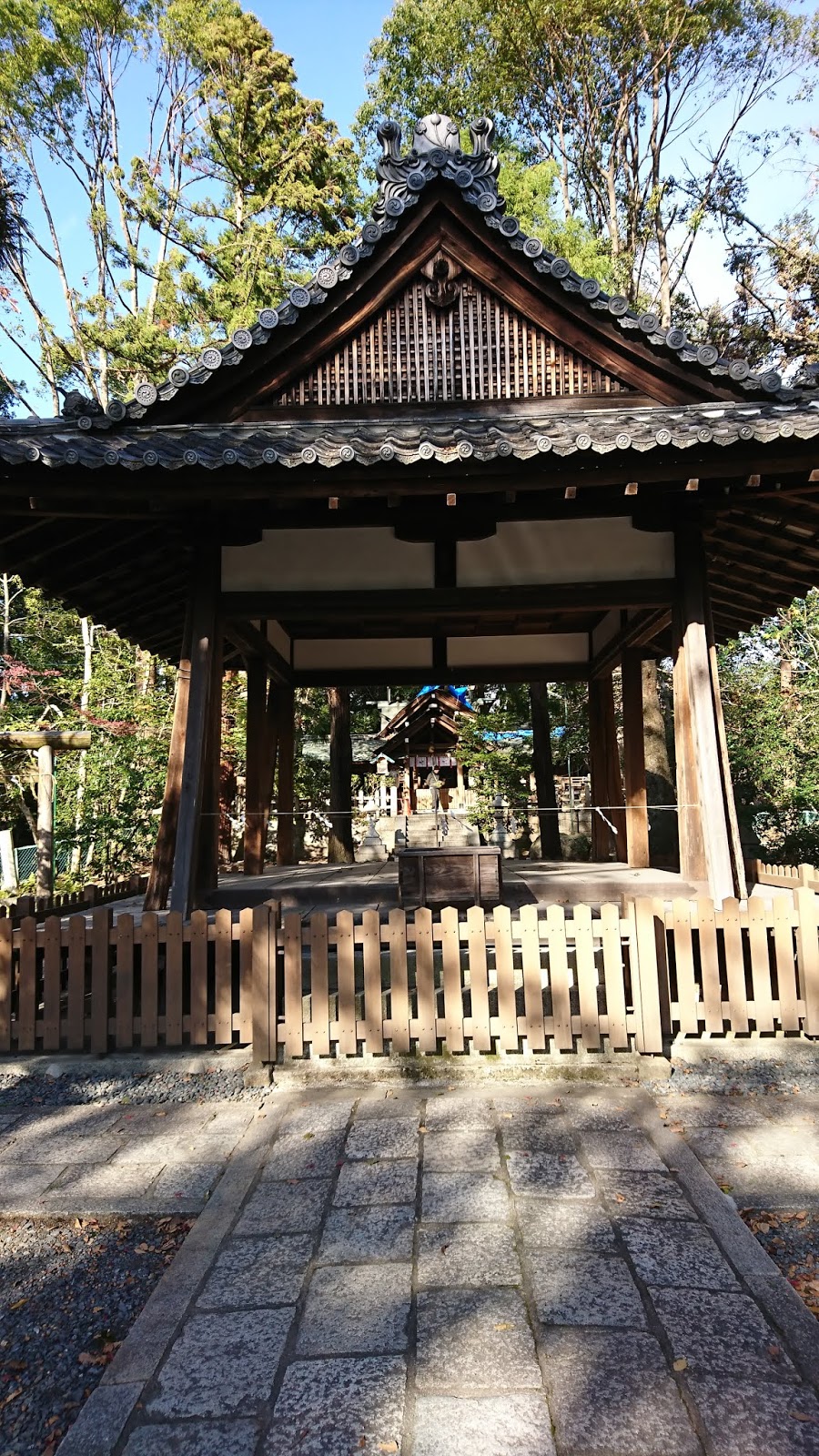
After we had lunch, we walked to Abe-no-Seimei Shrine. Abe-no-Seimei was an Ommyoji, a kind of shaman, living in Kyoto in 10th century. Abe-no-Seimei Shrine was dedicated to him and is a sort of power spot in Kyoto.
There are many peculiar symbols like Gobosei, a star like mark.
Koma-inu, gardian animal statues, are also different from other shrine’s.
Wednesday, January 23, 2019
Tuesday, January 8, 2019
Kinosaki Hot Spring
Kinosaki Hot Spring area is located in the
north east part of Hyogo prefecture.
It faces the Japan Sea. It takes about two hours from Kyoto Station to Kinosaki Hot Spring Station by the JR limited express train, Kinosaki.
There are many ryokans (Japanese style hotels) with hot spring baths on the main street of Kinosaki.
We can use 7 hot spring public bath facilities(sotoyu) other than hot spring bath in each hotels, when we stay at the hotels.
At night we can also enjoy games and eating out at the shops on the street.
north east part of Hyogo prefecture.
It faces the Japan Sea. It takes about two hours from Kyoto Station to Kinosaki Hot Spring Station by the JR limited express train, Kinosaki.
There are many ryokans (Japanese style hotels) with hot spring baths on the main street of Kinosaki.
We can use 7 hot spring public bath facilities(sotoyu) other than hot spring bath in each hotels, when we stay at the hotels.
At night we can also enjoy games and eating out at the shops on the street.
| Ichi-no-yu; hot spring facility |
| Gosho-no-yu |
| the original hot spring |
Hatsumode in Kyoro
One of the Japanese custom of New Year’s day is Hatsumode: the first visit of the new year to shrines or temples offering our first prayers.
People go to shrines near their houses or famous shrines. Poular shrines for Hatsumode in Kyoto are Heian-jingu Shrine, Yasaka-jingu Shrine, Shimogamo-jinjya Shrine, and Kitano-jingu Shrine.
We went to Yasaka Shrine and Matsuo-taisha Shrine, there were large Ema plates with wild boar drawings on them.
2019 is the year of wild boar, so we can see
many drawings and ornaments of wild boars in many places.
We went to Yasaka Shrine and Matsuo-taisha Shrine, there were large Ema plates with wild boar drawings on them.
2019 is the year of wild boar, so we can see
many drawings and ornaments of wild boars in many places.
Sunday, December 16, 2018
Lighting up in Arashiyama
We can see Arashiyama, Togetsukyo Bridge, and the bamboo grove lighten up until December 17th. There are a lot of lanterns along the roads. They are on from 17:00 to 20:30.
Saturday, December 15, 2018
Koryu-ji and Kaiko-no-yashiro in Uzumasa
Uzumasa is now famous for movie studios, but it is an old town with a long history.
The history of Uzumasa started in 5th century when Hata clan came from Korean Peninsula and settled in the north-west area of Kyoto.
The Hata clan were very good at making silk products, and introduced the civil engineering and construction, sake brewing and other developed techniques to Japan.
There is a mystery about where Hata clan came from. Though they came from Korean Peninsula, it is said that they might come from China, or even much farther, from Middle East countries.
Koryu-ji Temple is in front of Randen Uzumasa Koryu-ji Station. This temple was founded by Hata Kawakatsu who was the leader of Hata clan in 7th century. He assisted the sovereign act of Prince Shotoku-taishiin in Asuka period.
It is ssid that the major sacred statue, Miroku-bosatsu was given to Hata Kawakatsu by Shotoku-taishi.
Now we can see the statue and the statue of Shotoku-taishi in Koryu-ji.
There is aother place which is associated with Hata clan near Randen Kaiko-no-Yashiro Station. It’s formal name is Kono-shimanimasu-Amaterasu-mitama Shrine, but commonly it’s called Kaiko-no-Yashiro(=Silkworm Shrine). Hata clan were very good at producing silk from silkworms, so they built the shrine to offer their thanks to silkworms.
This shrine is famous for its mysterious ”torii” with three pillars. Most of toriis have only two pillars. We don’t know why this torii has three pillars. Some people say that
it is the evidence of that Hata clan came from the Middle East, because three pillars mean Trinity, the ancient Christian doctrine; or the above view of the torii is similar to the David’s Star of the Israel Kingdom. This might be a far fetched theory, but is still interesting and full of mysteries.
The history of Uzumasa started in 5th century when Hata clan came from Korean Peninsula and settled in the north-west area of Kyoto.
The Hata clan were very good at making silk products, and introduced the civil engineering and construction, sake brewing and other developed techniques to Japan.
There is a mystery about where Hata clan came from. Though they came from Korean Peninsula, it is said that they might come from China, or even much farther, from Middle East countries.
Koryu-ji Temple is in front of Randen Uzumasa Koryu-ji Station. This temple was founded by Hata Kawakatsu who was the leader of Hata clan in 7th century. He assisted the sovereign act of Prince Shotoku-taishiin in Asuka period.
It is ssid that the major sacred statue, Miroku-bosatsu was given to Hata Kawakatsu by Shotoku-taishi.
Now we can see the statue and the statue of Shotoku-taishi in Koryu-ji.
There is aother place which is associated with Hata clan near Randen Kaiko-no-Yashiro Station. It’s formal name is Kono-shimanimasu-Amaterasu-mitama Shrine, but commonly it’s called Kaiko-no-Yashiro(=Silkworm Shrine). Hata clan were very good at producing silk from silkworms, so they built the shrine to offer their thanks to silkworms.
This shrine is famous for its mysterious ”torii” with three pillars. Most of toriis have only two pillars. We don’t know why this torii has three pillars. Some people say that
it is the evidence of that Hata clan came from the Middle East, because three pillars mean Trinity, the ancient Christian doctrine; or the above view of the torii is similar to the David’s Star of the Israel Kingdom. This might be a far fetched theory, but is still interesting and full of mysteries.
| the formal name of the shrine, Konoshimanimasu-Amaterasu-mitama Shrine |
| Buildings are very old and made of wood. |
| Three-pillared torii |
Thursday, November 29, 2018
Spanish Restaurant, Barraca in Karasuma-oike
We went to Karasuma-oike to have lunch at Paella &Grill Barraca.
The restaurant is about 10-minutes walk from Karasuma-oike Subway Station.
They serve tasty and reasonable Spanish meal. We had lunch course(2000 yen), including appetizers, soup, codfish meuniere, paella, and dessert.
The restaurant was very comfortable and we enjoyed having lunch there.
The interior of the restaurant is very lovely.
The restaurant is about 10-minutes walk from Karasuma-oike Subway Station.
They serve tasty and reasonable Spanish meal. We had lunch course(2000 yen), including appetizers, soup, codfish meuniere, paella, and dessert.
The restaurant was very comfortable and we enjoyed having lunch there.
| appetizers |
| carrot soup |
| codfish meuniere |
| chestnuts and duck paella |
| cheese cake |
Saturday, November 24, 2018
Jo jakko -ji in Sagano
We can enjoy beautiful autumnal leaves
at Jojakko-ji in Sagano.
There are many maple trees on the slope of Mt. Ogura.If you go up to the top of the steps, you can see the Kyoto city and many autumnal leaves of the maple trees at the same time from there.
There were a lot of people today in the gsrden of Jojakko-ji, but I could take beautiful photos of autumnal leaves.
at Jojakko-ji in Sagano.
There are many maple trees on the slope of Mt. Ogura.If you go up to the top of the steps, you can see the Kyoto city and many autumnal leaves of the maple trees at the same time from there.
There were a lot of people today in the gsrden of Jojakko-ji, but I could take beautiful photos of autumnal leaves.
Subscribe to:
Posts (Atom)